Drawing the Portrait
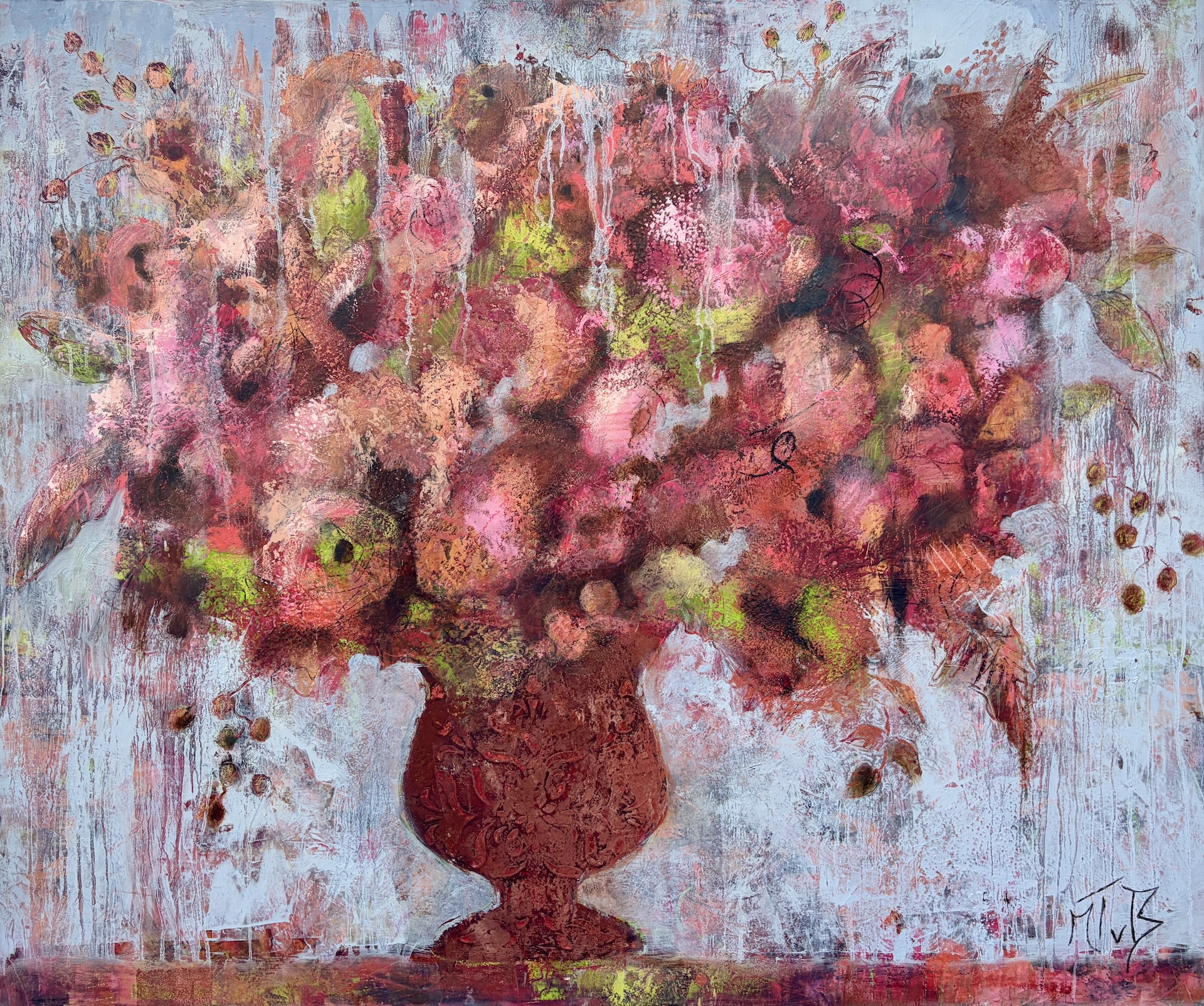
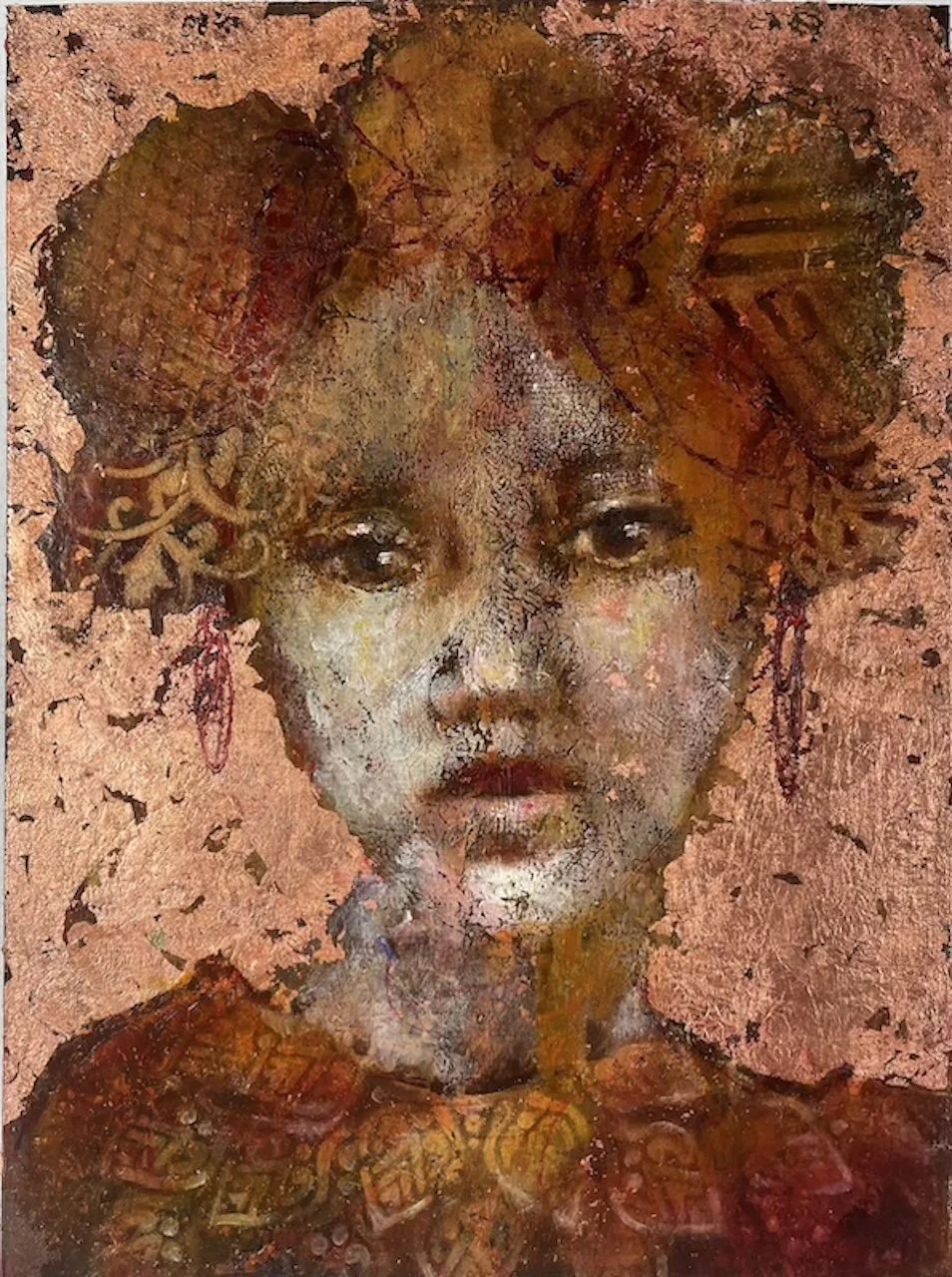
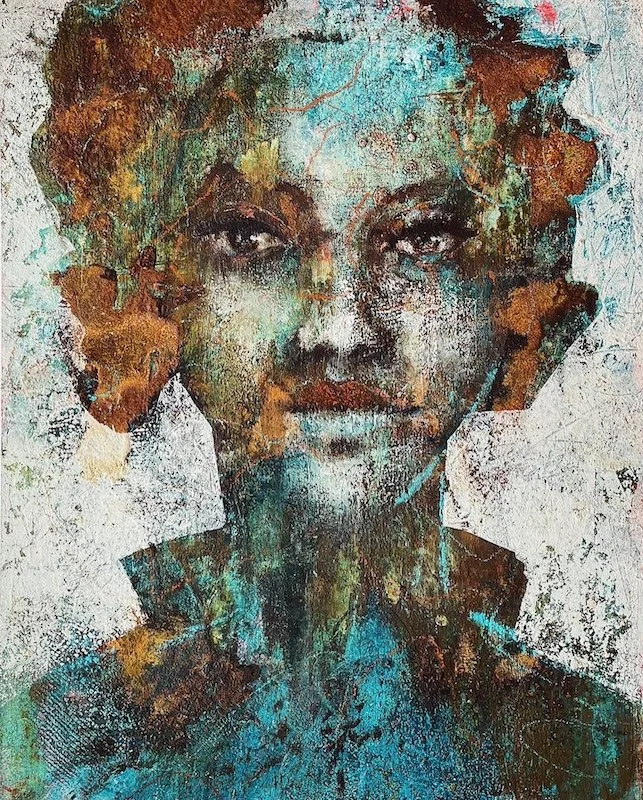
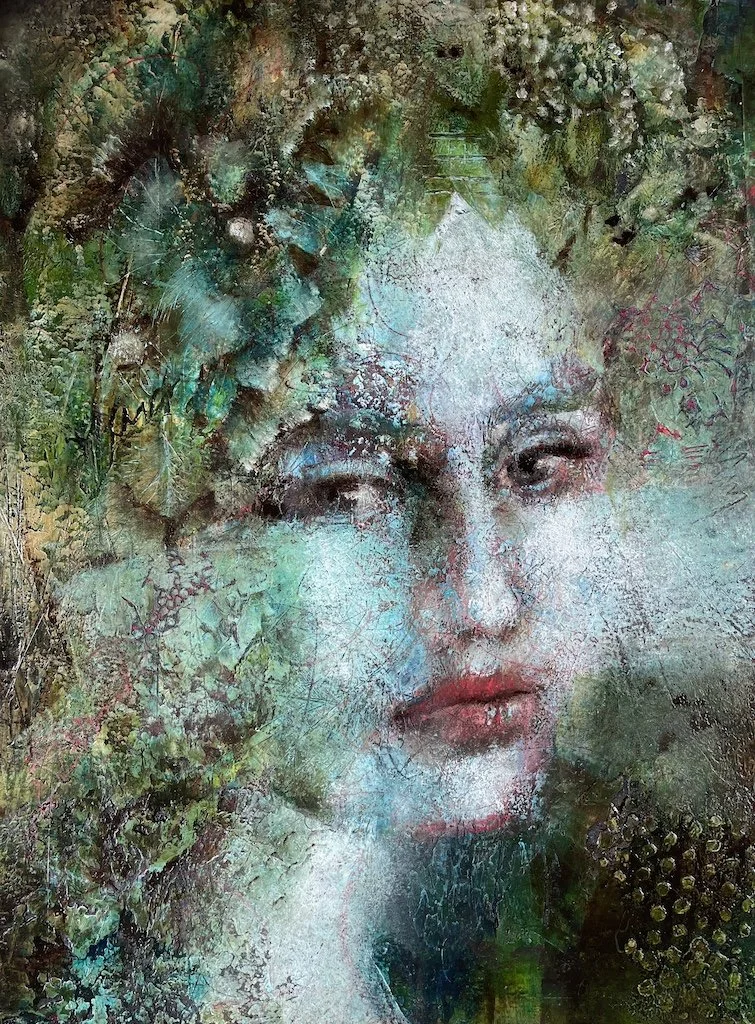
I frequently receive questions about how I draw my portraits on a cold wax background and whether I create the portrait or the background first. Those who have taken my classes know that I always begin with a 'busy' background—building up several layers of cold wax medium and oils before embarking on a portrait or figure. In fact, I continue until I see a face emerging!

If you want to improve your drawing skills, check out my YouTube tutorial on how to draw a portrait using a scale divider, it is really a magical tool to get the proportions right!
In the tutorial below with a the short snippet from my online signature class, 'Painting Portraits in Cold Wax and Oils’, I’ll show you how I transfer my drawing to my ‘busy’ background.
While you can use transfer paper from an art supply store, the lines might be hard to see on a busy background. Drawing directly on your painting surface is an option, but if you make a mistake and want to erase, it could smudge your surface.
Step One:
Draw your face or figure in charcoal and fix it with a fixative or print your reference picture to the size you want your portrait to be. Ensure your surface is dry or at least tacky. Pick a soft pastel in a contrasting color; you could also use charcoal, but I prefer the soft pastel.
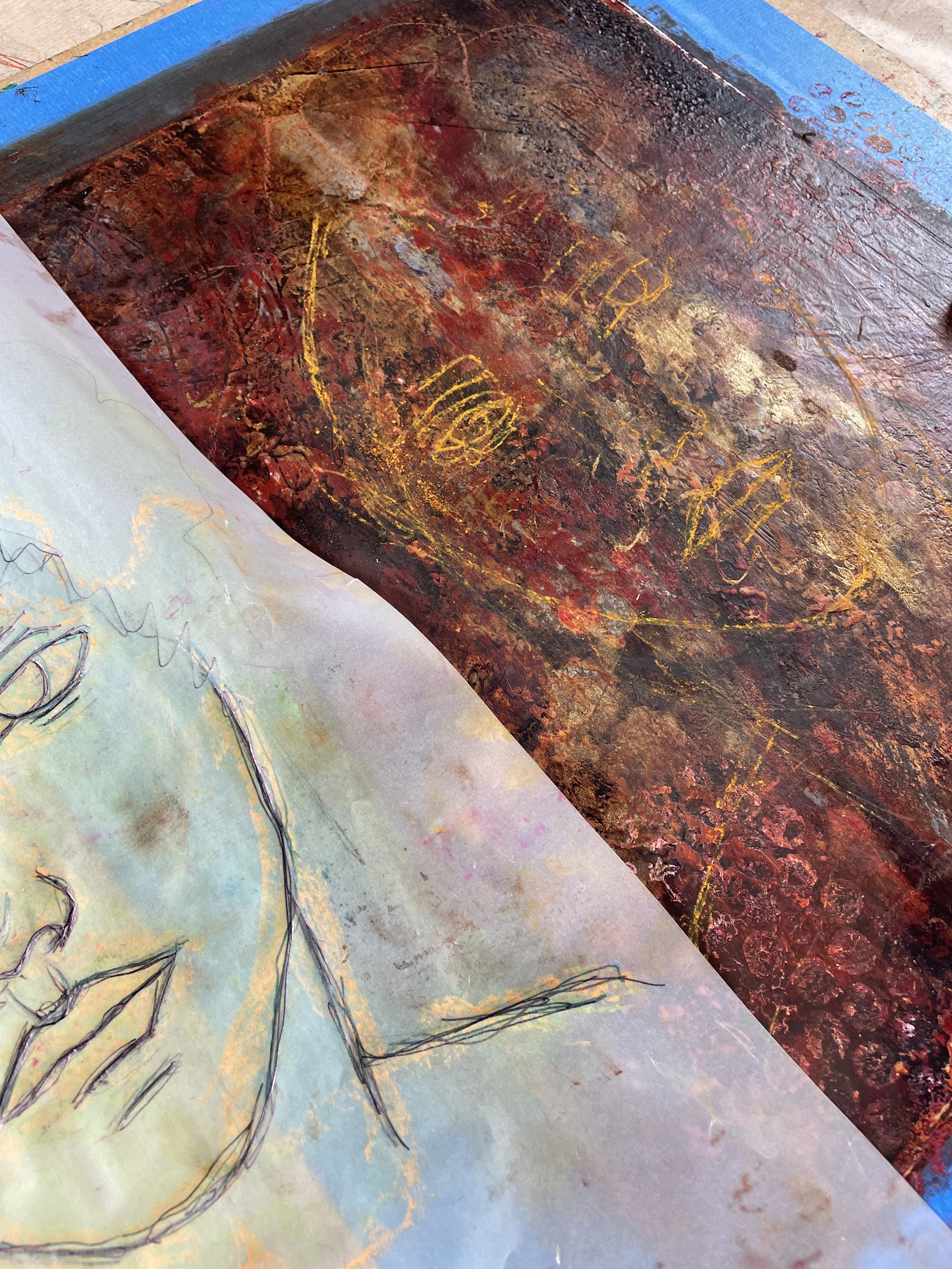
Step Two:
Take your drawing or reference picture. Turn it around and hold it against the window so the light shines through. Now, trace the lines of your drawing on the back with the soft pastel.
Step Three:
Lay your drawing on your painting surface. Grab a pencil or a ballpoint pen – something with a bit of pressure – and start tracing the lines of your drawing. As you go over the lines, the soft pastel will leave a faint outline on your surface.
Step Four: Voila, Your Drawing is Transferred:
And just like that, you've transferred your drawing onto your painting surface. Sometimes it's a bit hard to see, so you can retrace your lines with your soft pastel. The soft pastel lines can be easily erased with a baby wipe, but I like it when they shine through in the end result.
Remember that this is the technique I prefer. Experiment with different methods and find what works best for you. Don't forget to subscribe to my YouTube Channel for more art tips and tutorials🔔
The Texture Lab
If you enjoy exploring texture and mixed media, you might also love The Texture Lab, my upcoming membership. It will be a place for creative experiments, lessons, and inspiration. Join the waitlist HERE
As always, don’t hesitate to ask if you have any questions. I am here to help you advance in your cold wax journey!
As always, don’t hesitate to ask me questions, I would love to connect with you!💙